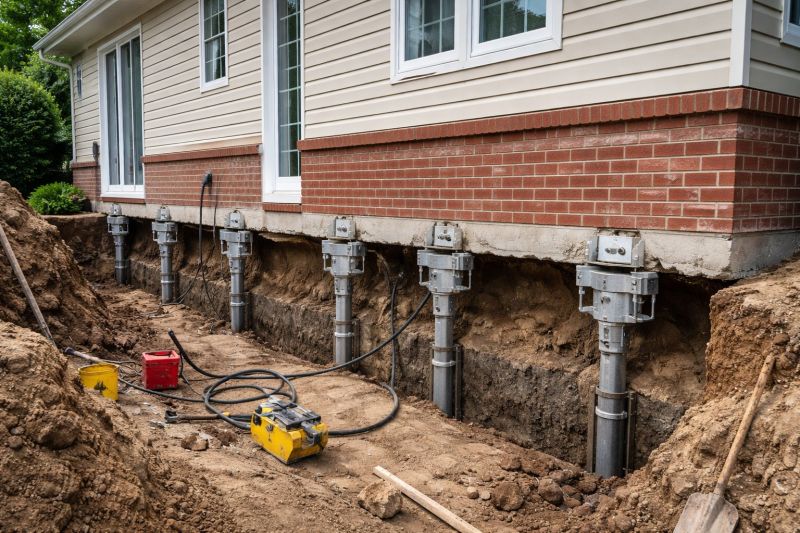
House Underpinning in Greenville, SC
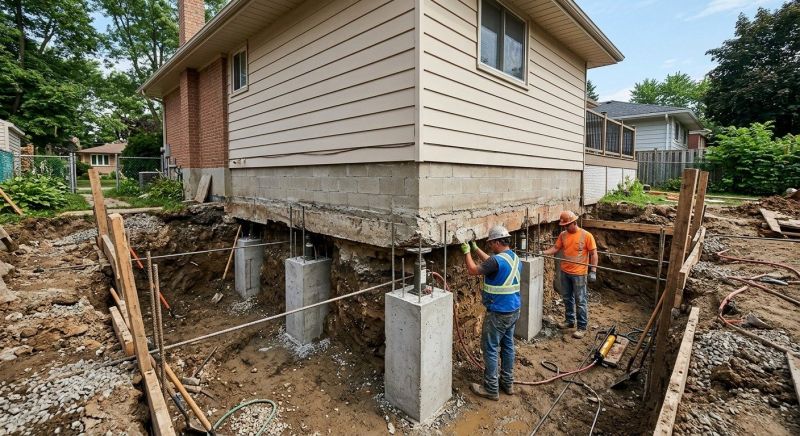
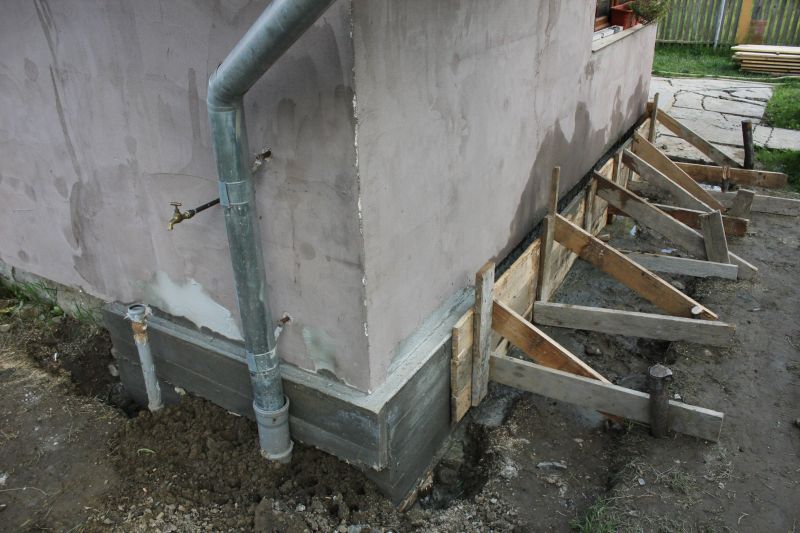
House underpinning services involve strengthening or stabilizing the foundation of a property to address issues such as settling, shifting, or uneven floors. This process typically includes installing new support structures beneath the existing foundation, which can be necessary during major renovations, repairs after soil movement, or when upgrading a home to accommodate additional stories or extensions. Projects often requested include raising a sunken foundation, repairing cracks caused by ground movement, or ensuring stability for homes built on poor soil conditions. Property owners should understand the specific reasons for underpinning, the types of support systems used, and how the process can impact the property's stability and safety.
Before requesting underpinning services, homeowners usually want to know the signs indicating foundation problems, such as visible cracks, doors or windows that stick, or uneven flooring. It’s also important to understand the scope of work involved, including potential disruptions to the property, the duration of the project, and the long-term benefits of foundation stabilization. Clarifying these details can help property owners make informed decisions about repairs and ensure the stability and safety of their home for years to come.
Many property owners in Greenville, SC look into House Underpinning for repairs, replacements, upgrades, and appearance-related improvements.
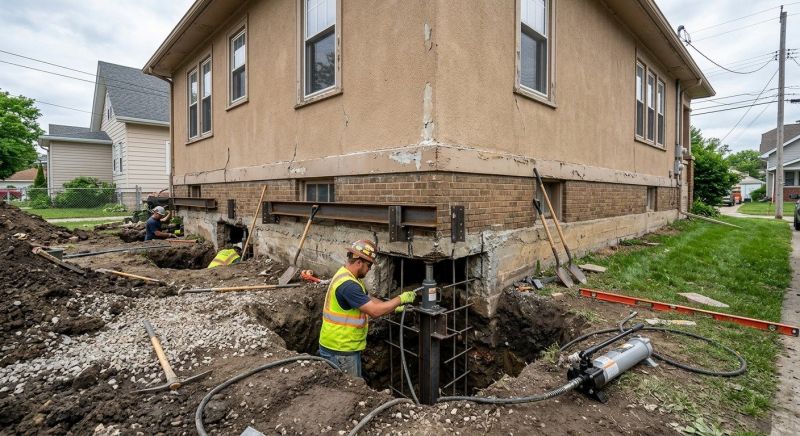
Foundation Stabilization
Underpinning can help stabilize and strengthen sinking or uneven foundations in greenville homes.
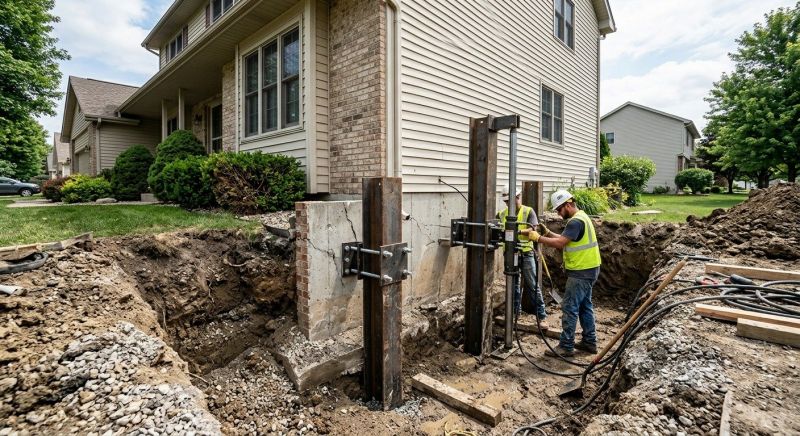
Structural Repair Solutions
Proper underpinning addresses structural issues caused by soil movement or shifting in residential properties.
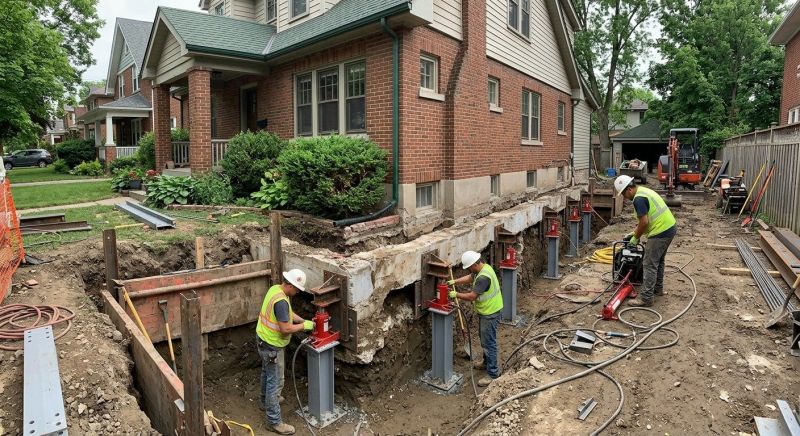
Property Value Enhancement
Investing in underpinning can improve safety and increase the value of properties in greenville and nearby areas.
House Underpinning in Greenville, SC

House underpinning services involve strengthening or stabilizing the foundation of a property to address issues such as settling, shifting, or uneven floors. This process typically includes installing new support structures beneath the existing foundation, which can be necessary during major renovations, repairs after soil movement, or when upgrading a home to accommodate additional stories or extensions. Projects often requested include raising a sunken foundation, repairing cracks caused by ground movement, or ensuring stability for homes built on poor soil conditions. Property owners should understand the specific reasons for underpinning, the types of support systems used, and how the process can impact the property's stability and safety.
Before requesting underpinning services, homeowners usually want to know the signs indicating foundation problems, such as visible cracks, doors or windows that stick, or uneven flooring. It’s also important to understand the scope of work involved, including potential disruptions to the property, the duration of the project, and the long-term benefits of foundation stabilization. Clarifying these details can help property owners make informed decisions about repairs and ensure the stability and safety of their home for years to come.
Many property owners in Greenville, SC look into House Underpinning for repairs, replacements, upgrades, and appearance-related improvements.
Common House Underpinning Jobs
Foundation Underpinning - stabilizes and reinforces existing foundations to prevent settling or shifting.
Structural Support - improves the stability of a home by strengthening weak or damaged foundation elements.
Basement Underpinning - raises basement floors to correct unevenness and prevent future cracking.
Settlement Repair - addresses uneven or sinking floors caused by soil movement or erosion.
Load-Bearing Wall Support - reinforces walls that carry structural loads to ensure building stability.
Foundation Replacement - replaces severely damaged foundations to restore safety and integrity.
House Underpinning Questions
What is house underpinning? House underpinning involves strengthening or stabilizing a building's foundation to prevent settling or shifting issues.
When is underpinning necessary? Underpinning is recommended when a property shows signs of foundation movement, such as cracks in walls or uneven floors.
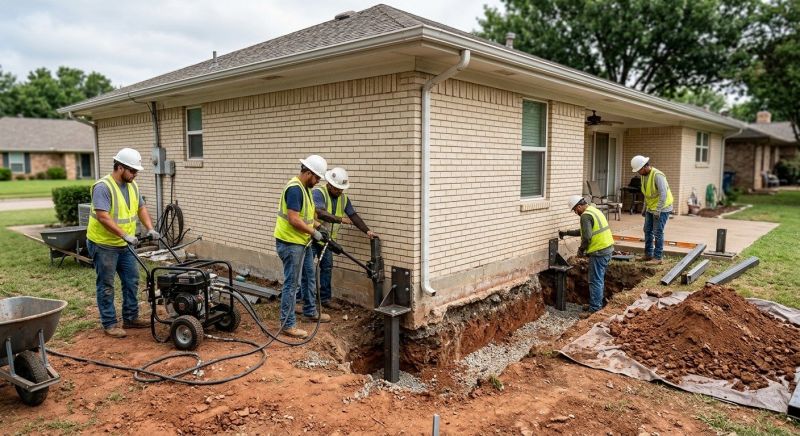
What types of underpinning methods are used? Common methods include pier and beam, slab jacking, and underpinning with concrete or steel piers.
How does underpinning benefit a property? Proper underpinning helps maintain structural integrity, prevents further damage, and preserves property value.
Request House Underpinning in Greenville, SC
Use the quote form on this page to share the basics of your project and request more information for the type of work you need.